Vakantiewoning kopen? Zo betaal je een realistische waarde!
Benieuwd of de vraagprijs van een vakantiehuis aansluit bij de markt? Ontdek hoe je bouwkosten, waardevastheid en rendement realistisch beoordeelt.
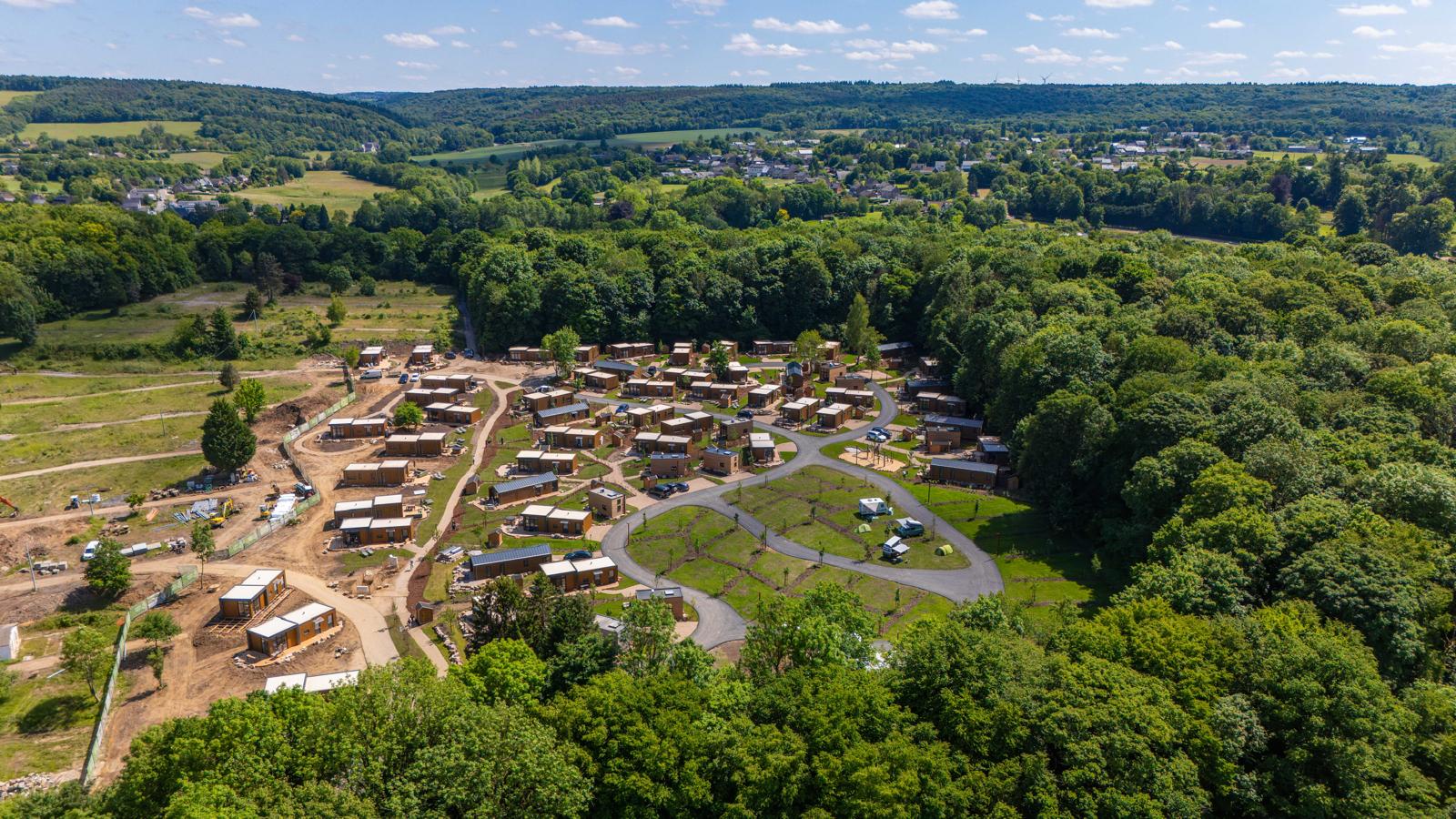
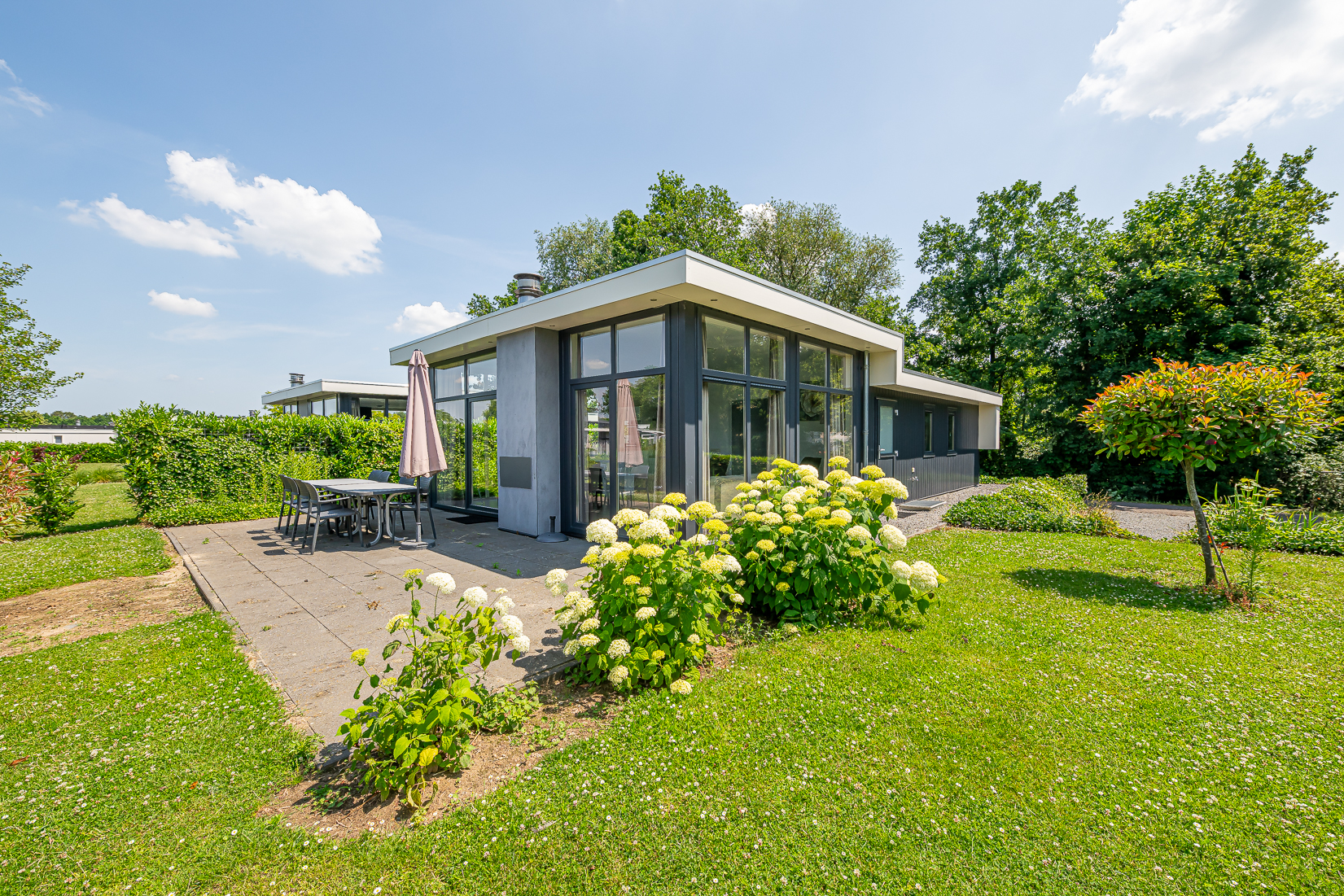
Stel, je loopt over een splinternieuw vakantiepark. De zon schijnt, de aankleding ziet er gelikt uit, en de verkoper vertelt enthousiast over het rendement. Een modern chalet met alles erop en eraan voor €239.500. Je voelt de verleiding: dit zou zomaar jouw tweede thuis kunnen worden – én een mooie investering.
Maar hoe weet je of die woning de vraagprijs echt waard is? Wat zit er precies in de prijs? En wat gebeurt er met de waarde als je over vijf jaar wilt verkopen? Voor veel potentiële kopers blijkt het in onze ervaring lastig in te schatten of de vraagprijs van een vakantiehuis realistisch is. In deze blog leren we je hoe je als koper de werkelijke waarde van een vakantiewoning kunt beoordelen. Je krijgt inzicht in hoe nieuwbouwprijzen zijn opgebouwd, wat er doorgaans gebeurt met de waarde van een woning na aankoop en welke factoren invloed hebben op de toekomstige verkoopprijs. Ook bespreken we hoe je slim omgaat met financiering.
Nieuwbouw versus gebruikt
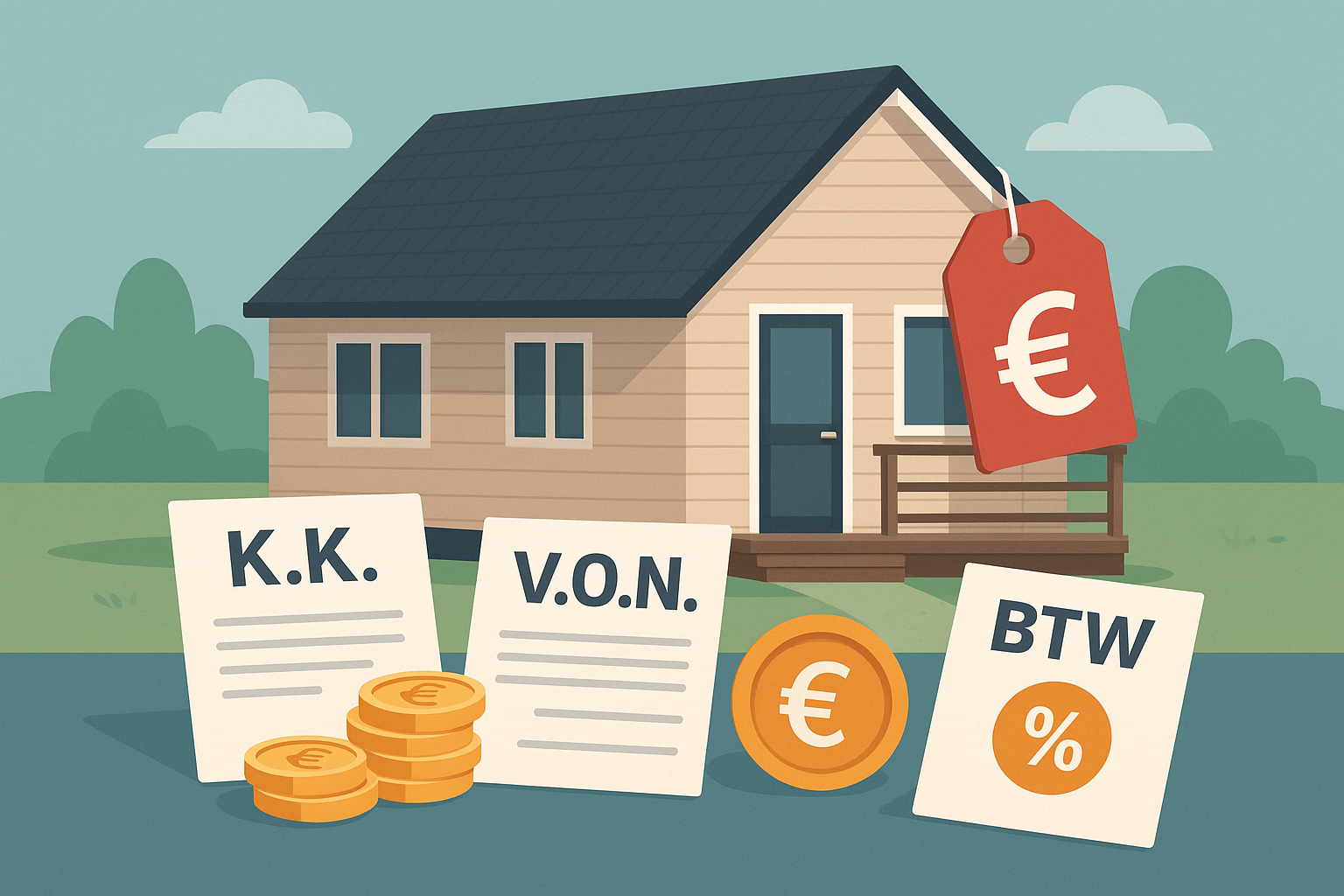
Bij het kopen van een nieuwbouw vakantiewoning op een vakantiepark betaal je niet alleen voor de materialen en de grond, maar ook voor het werk en risico dat de ontwikkelaar genomen heeft. Denk aan het aankopen van de locatie, het regelen van vergunningen, het aanleggen van infrastructuur en het bouwen van voorzieningen als zwembaden, restaurants of speeltuinen. Dit alles staat nog los van de constructiekosten van de woningen zelf. Het is dus logisch dat de ontwikkelaar wat terug wil zien voor de gedane moeite en de genomen risico’s.
Het is heel lastig om binnen het diverse aanbod aan recreatieve nieuwbouw eenduidig aan te geven wat een realistische aankoopprijs moet zijn. Wel hebben we een vuistregel die je om voorgenoemde reden met een grote korrel zout moet nemen. Voor een modern zespersoons chalet (55 m2) op eigen grond liggen de inkoopkosten voor de ontwikkelaar al snel rond de €158.500 exclusief btw. Wordt de woning verkocht voor €240.000, dan zit daar zo’n 30 tot 35% marge op. Dat klinkt veel, maar daar zitten ook marketingkosten, personeelskosten en ondernemersrisico in. Bovendien profiteer jij als koper van een woning die turn-key wordt opgeleverd, inclusief inventaris, tuin, aansluiting en infrastructuur.
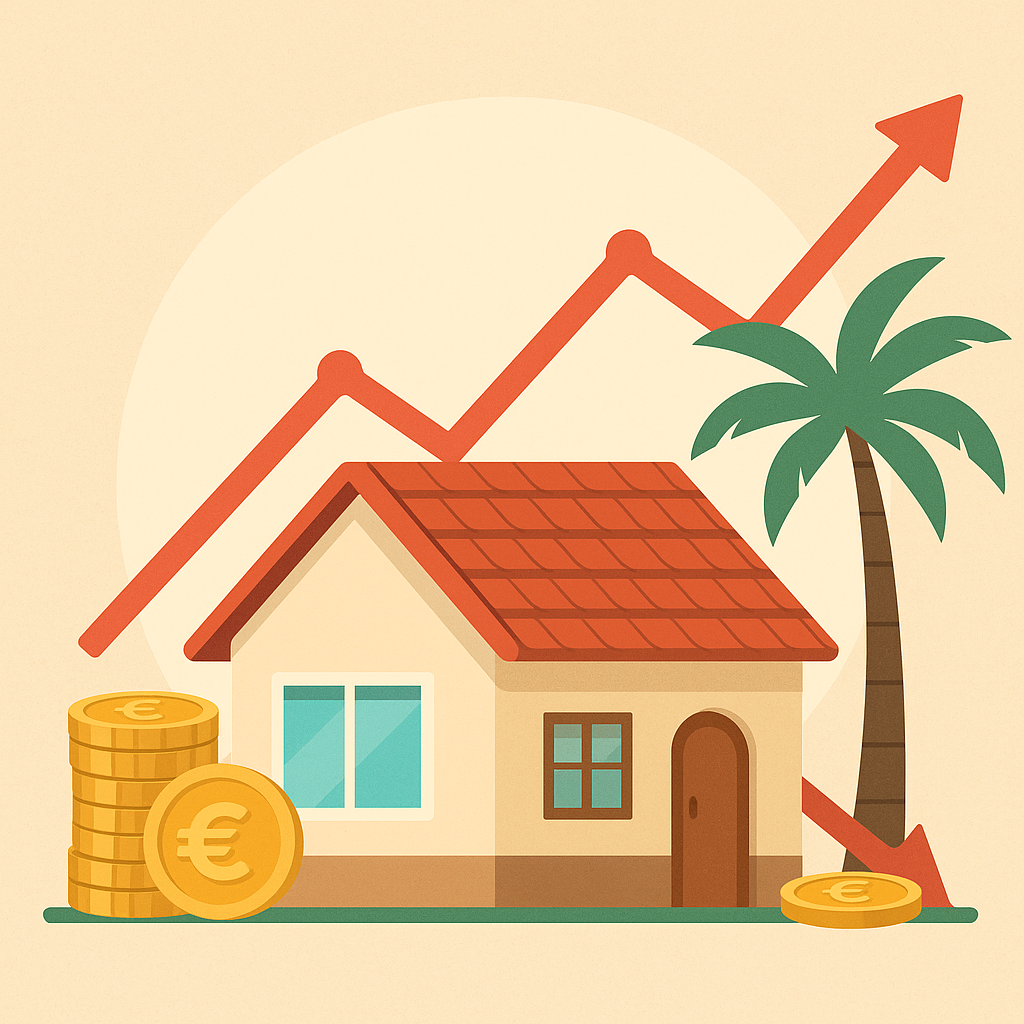
Bij gebruikte vakantiewoningen zie je vaak dat de grootste afschrijving al achter de rug is. Vergelijk het met een nieuwe auto: de waarde daalt vaak het hardst in de eerste jaren. Daarna stabiliseert deze. Is de woning goed onderhouden, dan kan inflatie die dip op termijn gemakkelijk weer compenseren. Zeker bij woningen op toplocaties of met unieke kenmerken zie je dat de waarde sneller aantrekt of dat er vanaf het eerste moment al sprake is van een positieve waardeontwikkeling.
Waardevastheid: hier moet je op letten
Als koper wil je weten of een woning zijn waarde behoudt of zelfs stijgt. De belangrijkste factoren hiervoor zijn:
- Locatie en uniekheid
Ligt de woning op een A-locatie, direct aan het water of op een gewilde plek in het park? Is het een van weinige met een bepaald ontwerp of indeling? Hoe unieker, hoe waardevaster. - Grondsituatie
Woningen op eigen grond zijn doorgaans waardevaster dan die op huurgrond. Let op de looptijd en voorwaarden van erfpachtcontracten of huurovereenkomsten. - Verhuurbaarheid
Wordt de woning goed verhuurd? Zit er een professionele verhuurpartij achter? Heeft het park goede online zichtbaarheid? Een hoge bezettingsgraad maakt je woning interessanter voor toekomstige kopers. - Bouwkwaliteit
Duurzame materialen, goede isolatie en energiezuinige installaties zorgen voor minder onderhoud en meer waardebehoud. Energielabels worden steeds belangrijker. - Organisatie en flexibiliteit
Kan je zelf bepalen of je verhuurt of niet? Moet je onderhoud uitbesteden of mag je dit ook zelf doen? Zijn er beperkingen in het eigen gebruik van de woning? Is er een gezonde VvE of professionele exploitant? Dit soort zaken blijven altijd belangrijk voor toekomstige kopers.
Slim financieren met hefboomeffect
Je hoeft niet altijd het volledige bedrag uit eigen zak te betalen om slim te investeren in een vakantiewoning. Door (deels) te financieren met geleend geld kun je juist méér rendement halen uit je eigen vermogen. Dit principe – het hefboomeffect – kan in jouw voordeel werken, mits je weet wat je doet.
Financier je een deel van je aankoop met geleend geld, dan kun je je rendement op eigen vermogen verhogen. Dit heet het hefboomeffect. Leen je bijvoorbeeld €150.000 tegen 3% rente voor een woning van €200.000, dan kan je rendement flink stijgen zolang de huuropbrengsten hoger liggen dan de rente.
Let wel op: dit werkt twee kanten op. Daalt de waarde van de woning of vallen de opbrengsten tegen, dan draai je alsnog verlies. Zorg daarom altijd voor een gezonde verhouding tussen eigen geld en lening en werk met een betrouwbare financieringsadviseur. In onze aankoopcursus leer je meer over betrouwbare financieringspartners, financieren op overwaarde en het hefboomeffect. Ook bieden we verhelderende bijlagen zoals rekenmodellen die je helpen optimaal te financieren.
Wie begrijpt hoe de prijs van een vakantiewoning is opgebouwd en welke factoren bijdragen aan waardevastheid, kan betere keuzes maken. Of je nu kiest voor nieuwbouw met fiscale voordelen of een courante gebruikte woning op een A-locatie, zorg dat je de waarde kritisch beoordeelt. Laat je niet misleiden door een mooie façade, maar trek je conclusies op basis van gevestigde analysecriteria. Zo geniet je niet alleen van het eigenaarschap, maar ook van het toekomstige afscheid van jouw vakantiehuis.
Meer leren over slim investeren in vakantievastgoed? Volg onze aankoopcursus of vraag een gratis adviesgesprek aan via www.selectvakantievastgoed.nl.
Lees ook deze updates
Bekijk alle updates