Vakantiewoning kopen? Zo vind je de beste deals!
Vakantiewoning kopen? Zo vind je de beste deals! Ben je op zoek naar een vakantiewoning, maar zie je door de bomen het bos niet meer? Dat is logisch. De markt voor recreatiewoningen is groot en divers. Van kleinschalige natuurparken tot grootschalige verhuurorganisaties – hoe selecteer je iets dat écht bij je past? In deze blog (gebaseerd op les 2 van onze aankoopcursus) leer je hoe je gericht en gestructureerd zoekt naar de juiste vakantiewoningen de juiste parkorganisatie. Ook leer je hoe je uit een oceaan van divers aanbod een shortlist destilleert met serieuze aankoopopties. Want een vakantiewoning kopen doe je niet op goed geluk en een goede voorbereiding loont altijd!
Eerst kiezen: wat voor type organisatie past bij je?
Voordat je überhaupt naar woningen of locaties kijkt, is het slim om te bepalen bij wat voor soort organisatie jij je prettig voelt. In Nederland vallen de meeste vakantieparken in vier hoofdtypes:
- Eigen gebruik zonder verhuur
Ideaal voor mensen die puur een tweede huisje voor zichzelf zoeken. Vaak zijn dit kleinschalige parken of campings met weinig centrale voorzieningen en lage kosten. Je bent zelf verantwoordelijk voor onderhoud en verhuur is meestal niet toegestaan. Let op de financiële gezondheid van het park (check bijvoorbeeld of er een actieve VvE is) en wees alert op permanente bewoning, wat risico’s zoals criminaliteit met zich mee kan brengen.
- Flexibele combinatie: eigen gebruik én verhuur
Dit is een populair model: je mag zelf bepalen of – en wanneer – je verhuurt. Veel diensten zoals schoonmaak of sleutelbeheer kun je (optioneel) uitbesteden. Je behoudt een grote mate van controle, terwijl je ook inkomsten kunt genereren.
- Volledige verhuur met volledig beheer
Voor de passieve belegger. Je koopt de woning, maar de organisatie regelt alles: van verhuur tot onderhoud. Vaak is er een gegarandeerd rendement, maar je hebt beperkte zeggenschap, relatief hoge verplichte kosten en weinig eigen gebruik.
- Zelfstandige verhuur met veel eigen inzet
Deze route biedt het meeste potentieel én het meeste risico. Je koopt een woning op een park zonder centrale verhuurorganisatie. Alles regel je zelf: marketing, boekingen, onderhoud. Dit kan lucratief zijn op een toplocatie, maar je moet wel weten waar je aan begint. Als de locatie niet bekend en niet zeer goed gelegen is, kun je als ambitieuze verhuurder snel door het ijs zakken.
Groot of klein park? Beide hebben hun charme
Na het kiezen van een organisatietype komt de volgende afweging: ga je voor een bekende keten zoals EuroParcs of kies je voor een kleinschalig parkje in de natuur?
Voordelen van grote parken:
- Sterke marketing en dus grotere naamsbekendheid
- Professioneel beheer en onderhoud
- Vaak makkelijker financierbaar via banken
- Doorverkoop is eenvoudiger vanwege een groot netwerk vanuit de beheerder
Voordelen van kleine parken:
- Lagere instapprijs
- Persoonlijker contact en service
- Minder concurrentie bij doorverkoop
- Uniek karakter met vaak een gemoedelijke sfeer
Let op: goedkoop is niet altijd duurkoop, maar wees kritisch. Zoek reviews op via Trustpilot, Google Reviews of Zoover om de reputatie van een organisatie te toetsen. Grote aantallen negatieve reviews kunnen een waarschuwingssignaal zijn, maar plaats ze wel in de juiste context.
Zo selecteer je het juiste park
Heb je een voorkeur voor een bepaald organisatietype? Dan kun je nu gericht gaan zoeken naar parken die daarbij passen. Gebruik je eisen en wensen uit les 1 als checklist. Denk aan:
- Reisafstand (max. 2,5 uur is vaak ideaal)
- Doelgroep (natuurzoekers vs. gezinnen)
- Voorzieningen (zwembad, horeca, wellness)
- Woningtypes (chalets, stenen huizen, tiny houses)
- Ligging in de natuur of nabij cultuursteden
Handige websites om parken te vinden zijn:
Gebruik Google Maps om in de buurt van een interessant park te zoeken naar alternatieven. Hoe unieker het aanbod, hoe beter je verhuurkansen (én je wederverkooppositie).
Aankooproutes: via parkorganisatie of particulier?
Wanneer je een park hebt geselecteerd, zijn er vaak twee aankooproutes mogelijk:
Kopen via de parkorganisatie
- Vaak inclusief verhuur- en onderhoudsdiensten
- Mogelijkheid tot garantie, maatwerk en ondersteuning
- Gestroomlijnd aankoopproces via vaste projectnotaris
Kopen via een externe makelaar of particulier
- Vaak een scherpere prijs
- Meer keuze uit bestaande woningen
- Mogelijkheid tot het overnemen van voordelen (zoals tuinrechten of onderhoudsafspraken) die door de vorige eigenaar zijn bedongen
Beide routes hebben waarde. Het belangrijkste is dat je weet wat je koopt, tegen welke voorwaarden, en dat je begrijpt hoe alles juridisch en praktisch geregeld is. Dat is precies waar onze aankoopcursus voor dient. Wanneer je een keuze hebt gemaakt voor de manier van aankopen, dan is het verkrijgen van een compleet beeld van het beschikbare aanbod een logische vervolgstap.
Slim zoeken naar actuele woningaanbiedingen
Om het complete beeld te krijgen, moet je breed zoeken:
- Officiële verkoopwebsites van organisaties (zoals europarcsverkoop.nl)
- Makelaarswebsites (zoals SelectVakantievastgoed.nl)
- Verzamelplatforms als Funda, Pararius en Huislijn.
- Zoekmachines: typ bijvoorbeeld “adres van park + te koop”
- Via de VvE of belangenvereniging van een park (loop gewoon eens binnen!)
Let bij advertenties op enkele signaaltermen die vaak al aanduiden wat je nu precies koopt:
- “Eigen grond”, “erfpacht”, “jaarplaats”
- “Gemeubileerd”, “casco” of “instapklaar”
- “Vrij op naam” of “kosten koper”
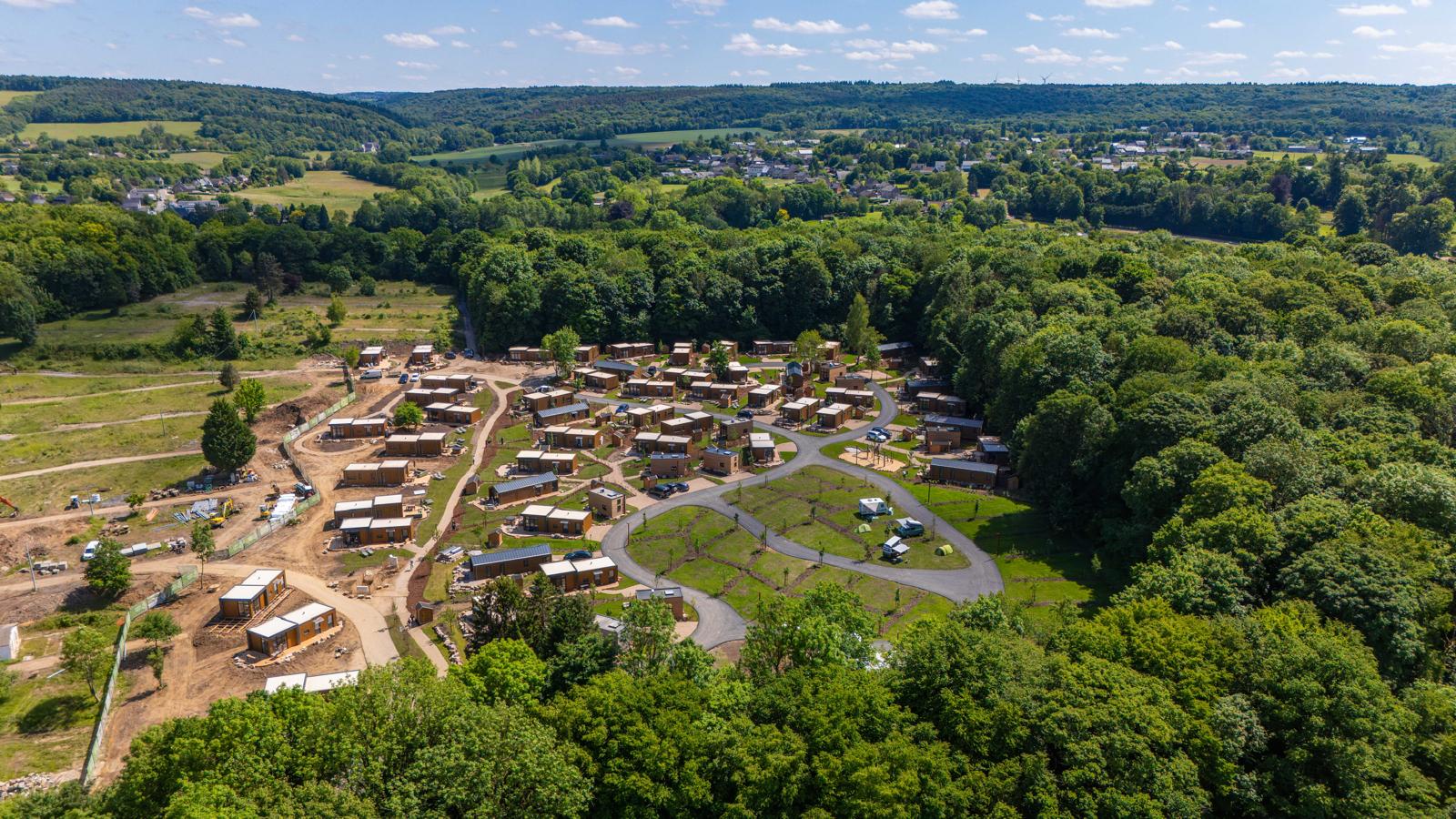
Bekijk ook altijd de plattegrond van het park om antwoord te krijgen op vragen als:
- Hoe liggen de kavels ten opzichte van de zon en voorzieningen?
- Hoeveel vakantiewoningen staan er überhaupt op het park?
- Hoe zijn de te koop staande vakantiehuizen gelegen?
Tip: vergelijk met verkochte woningen
Funda heeft een handige functie waarmee je kunt zien welke woningen op een park recent zijn verkocht. Dat helpt je om realistische prijzen te bepalen en om te zien hoe snel woningen worden verkocht. Dit is waardevolle informatie waarmee je nooit te duur zal kopen.
Een vakantiewoning kopen begint niet met het willekeurig klikken op advertenties, maar met een slimme strategie. Kies eerst het type organisatie dat bij jou past, selecteer vervolgens een park op basis van je persoonlijke eisen, en zoek daarna gericht naar woningen. Gebruik officiële én externe kanalen om het complete aanbod te zien. Zo voorkom je dat je kansen mist en vergroot je de kans op het kopen van de vakantiewoning van jouw dromen!
Wil je hulp bij het vinden van jouw ideale vakantiewoning?
Bekijk ons aanbod of laat ons weten wat je zoekt. Dan nemen wij het zoekwerk voor je uit handen.
Lees ook deze updates
Bekijk alle updates